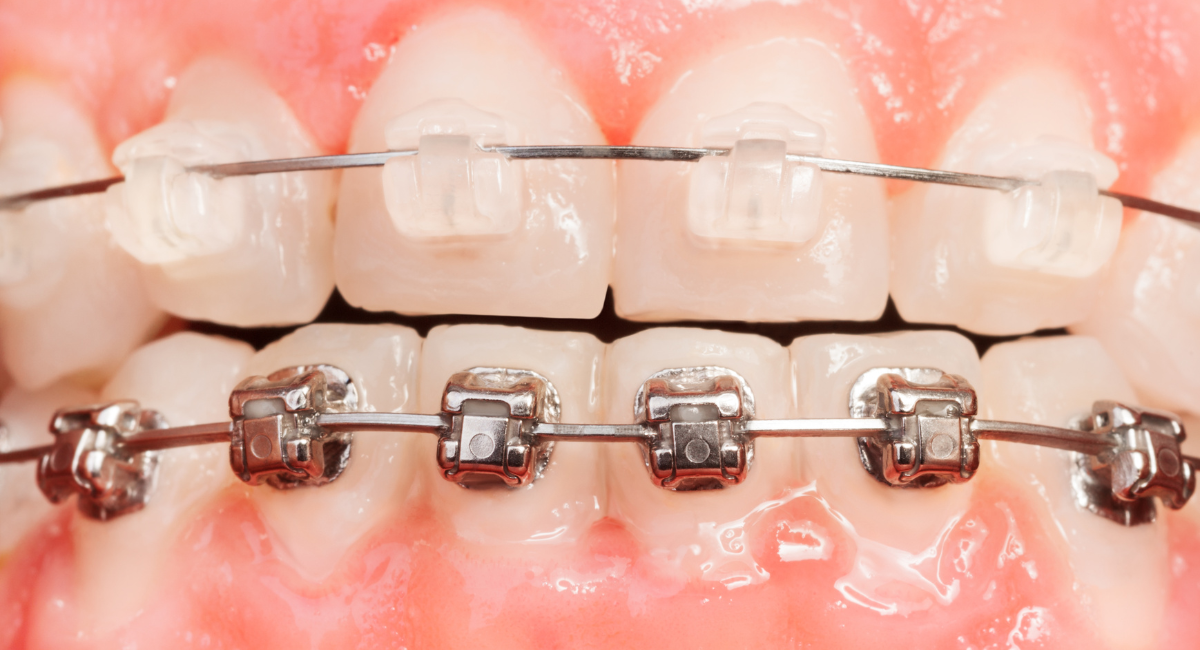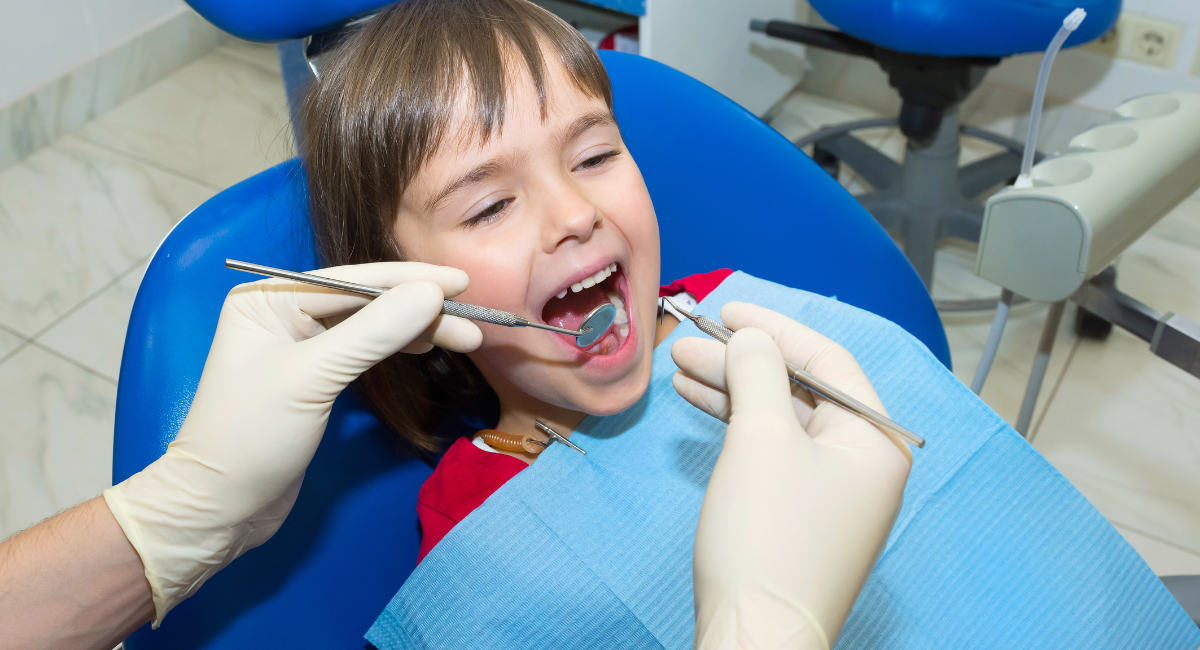
Your child needs braces that much is clear. But now comes the next decision: which kind? For most families, the choice comes down to two proven options traditional metal braces and ceramic braces. Both straighten teeth effectively, but they look different, feel different, and come at different price points. Here’s a side-by-side guide to help you make the right call.
What Are Metal Braces?
Traditional metal braces are the classic stainless-steel brackets and wires most people picture when they hear the word “braces.” They’ve been the workhorse of orthodontics for decades, and modern versions are smaller, sleeker, and more comfortable than ever. Metal braces remain the most widely used option for children and teens, and for good reason they’re reliable, versatile, and handle even complex cases with ease.
What Are Ceramic Braces?
Ceramic braces work the same way as metal braces brackets bonded to the teeth, connected by a wire but the brackets are made of tooth-colored or clear ceramic material instead of metal. This makes them far less noticeable on the teeth. They’re a popular choice for older teens and image-conscious kids who want the effectiveness of traditional braces with a lower visual profile.
Same mechanics, different look: Ceramic and metal braces use the same orthodontic principles and wire system. The difference is cosmetic, not clinical both move teeth the same way.
Ceramic vs. Metal Braces: How They Compare
Appearance
This is the biggest difference. Metal brackets are clearly visible when your child smiles. Ceramic brackets blend with the tooth color and are much harder to spot, which appeals to teens who feel self-conscious about braces. If appearance is a top priority, ceramic has a clear advantage.
Durability
Metal braces are extremely durable they can handle impact and pressure without chipping. Ceramic brackets are strong but slightly more brittle. They can chip or crack if a child bites down on something very hard, plays contact sports without a mouthguard, or is generally rough with their appliances. For very active kids, metal may be the more practical choice.
Comfort
Both types cause some initial soreness as teeth begin to move. Ceramic brackets have smooth, rounded edges that some patients find slightly gentler on the lips and cheeks. Metal brackets are smaller, which can also feel comfortable. In practice, most kids adapt to either type within a week or two.
Staining
Ceramic brackets themselves resist staining well, but the clear elastic ties that hold the wire in place can discolor over time, especially with foods like curry, tomato sauce, berries, and drinks like tea or sports drinks. Ties are replaced at each adjustment visit, so staining is temporary but it’s something to be aware of. Metal braces don’t have this issue.
Treatment Time
Treatment timelines are generally similar. In some complex cases, an orthodontist may recommend metal because the brackets allow for slightly more precise control. For most straightforward cases, ceramic and metal complete treatment in a comparable timeframe.
Cost
Ceramic braces typically cost somewhat more than metal due to the material. The exact difference depends on the case and the practice. It’s worth asking about during your consultation, along with insurance and financing options that can make either choice manageable.
Which One Should You Choose?
There’s no single right answer the best choice depends on your child’s age, lifestyle, and what matters most to your family. Some things to consider:
- Choose metal if: your child is younger, very active in sports, tends to be rough with things, or you want the most cost-effective option.
- Choose ceramic if: your teen is self-conscious about appearance, committed to careful eating and hygiene, and aesthetics are a priority.
Your orthodontist will also weigh in based on the specifics of your child’s bite and alignment some cases are better suited to one type over the other.
Still Not Sure? A Consultation Makes It Simple
The easiest way to choose is to see both options in person, ask questions, and get a personalized recommendation. During an orthodontic consultation, we’ll evaluate your child’s teeth, discuss what each option means for their specific case, and walk you through timelines and costs so you can decide with confidence.
Families across Peabody, Salem, Danvers, Lynn, and the North Shore trust Growing Smile for expert orthodontic care. Whether your child needs ceramic or metal braces, we’ll help you find the perfect fit. Call (978) 587-3368 or book a free consultation online today.
Frequently Asked Questions
Are ceramic braces as effective as metal braces?
Yes. Ceramic and metal braces use the same wire-and-bracket system and move teeth the same way. The difference is cosmetic ceramic brackets blend with the teeth, while metal brackets are visible.
Do ceramic braces stain?
The ceramic brackets themselves resist staining, but the clear elastic ties can discolor from certain foods and drinks. Since ties are replaced at every adjustment appointment, any staining is temporary.
Are ceramic braces more expensive than metal?
Ceramic braces typically cost somewhat more than metal due to the bracket material. The exact difference varies by case, and financing options can help make either choice affordable.
Which type of braces is better for kids who play sports?
Metal braces are generally more durable and better suited for very active children. Ceramic brackets can chip on impact. Either way, a custom mouthguard is recommended for contact sports.
Can my child choose the color of their braces?
With metal braces, yes colorful elastic ties let kids express their personality at each visit. Ceramic braces use clear or tooth-colored ties to maintain a discreet look.