You might notice it at night, in photos, or during quiet moments watching TV: your child’s mouth hanging open, breathing through it instead of their nose. It’s easy to dismiss as a habit. But chronic mouth breathing in children can affect the way their teeth align, how their jaw develops, and even the shape of their face over time. Here’s why it’s worth paying attention and what can be done.
Nose Breathing vs. Mouth Breathing: Why It Matters
Nasal breathing isn’t just the “default” way to breathe; it plays a real role in healthy development. When a child breathes through the nose, the tongue rests against the roof of the mouth, which helps guide the upper jaw to grow wide and forward. When a child breathes through the mouth instead, that natural guidance is lost, and development can head in a different direction.
The tongue is a natural retainer: When the tongue rests where it should, it gently shapes a broad, well-formed dental arch. Chronic mouth breathing removes that shaping force.
How Mouth Breathing Affects Teeth and Jaw Development
Long-term mouth breathing has been associated with several changes parents should know about:
✅ Narrow upper jaw. Without the tongue resting on top, the upper arch can grow narrow, leaving less room for teeth.
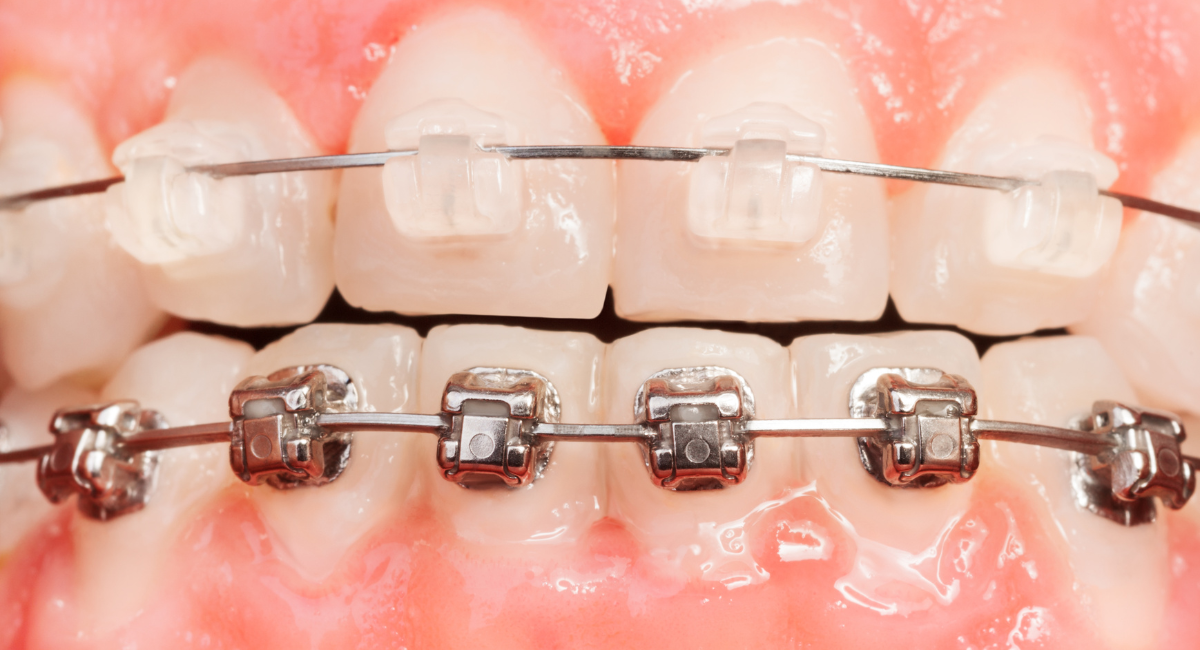
✅ Crowding and crooked teeth. A narrower arch means teeth compete for space.
✅ Open bite or improper bite. The way the teeth meet can be affected.
✅ A longer facial appearance. Some children develop a longer, flatter facial growth pattern over the years.
✅ Gum irritation. A constantly dry mouth can leave the front gums red and puffy.
What Causes Chronic Mouth Breathing?
Kids breathe through their mouths for a reason, usually because nasal breathing is blocked or harder than it should be. Common causes include enlarged tonsils or adenoids, chronic allergies or congestion, and habit patterns that persist even after the original blockage clears. Identifying the underlying cause is an important part of addressing it.
Signs to Watch For
✅ Mouth open at rest, during the day, or while sleeping.
✅ Dry, chapped lips and frequent thirst.
✅ Snoring or restless, noisy sleep.
✅ Daytime tiredness, difficulty focusing, or irritability.
✅ Dark circles under the eyes.
If nighttime breathing is your main concern, our companion article on what parents need to know about airway, sleep, and dental health goes deeper on snoring and sleep.
How Airway-Focused Care Can Help
The encouraging news is that a child’s jaw is still growing, which means there’s a window to guide development in a healthier direction. Airway orthodontics focuses on encouraging proper breathing and jaw growth, and treatments like gentle arch expansion can create room and support nasal breathing. Our airway improvement approach looks at the whole picture rather than just straightening teeth.
Why Early Evaluation Matters
Because these patterns are tied to growth, earlier evaluation generally means simpler, more effective intervention. Many airway concerns can be spotted during the same age-7 orthodontic screening that catches other developing issues. If you’ve noticed persistent mouth breathing, it’s worth mentioning at your next visit.
Concerned that your child breathes through their mouth? An airway-focused evaluation can give you clear answers. Request an Evaluation.
Frequently Asked Questions
Is mouth breathing bad for my child’s teeth?
Chronic mouth breathing can contribute to a narrow upper jaw, crowded or crooked teeth, bite problems, and gum irritation from dryness. It’s worth evaluating rather than ignoring.
Why does my child breathe through their mouth?
Common causes include enlarged tonsils or adenoids, chronic allergies or congestion, and habit patterns that persist after the original blockage clears. Finding the cause is part of addressing it.
Can mouth breathing change the shape of a child’s face?
Over the years, chronic mouth breathing has been associated with a longer facial growth pattern and a narrower jaw. Early evaluation while the jaw is still growing helps guide development in a healthier direction.
How is mouth breathing treated in kids?
Treatment starts by identifying the cause. Airway-focused orthodontic approaches, including gentle arch expansion, can create room and encourage nasal breathing. Allergy or ENT care may also be part of the plan.
At what age should mouth breathing be evaluated?
Earlier is generally better because the jaw is still developing. Many airway concerns can be identified during a routine orthodontic screening around age 7.
If you’ve noticed your child breathing through their mouth day or night, an airway-focused evaluation can give you real answers, and the earlier the better, while their jaw is still growing. Our team looks at the whole picture, not just the teeth, to guide healthy development. Call Growing Smile in Peabody at (978) 587-3368 or request an evaluation online, and let’s help your child breathe and grow with confidence.