Finding out your toddler has a cavity can be upsetting, especially when you’ve been diligent about brushing. But cavities in young children are extremely common, and having one doesn’t mean you’ve done anything wrong. What matters most is understanding why it happened and acting early. Here’s a clear, judgment-free guide for Peabody parents.
Can Toddlers Really Get Cavities?
Yes, and earlier than many parents expect. Tooth decay is one of the most common chronic conditions in early childhood. It can appear as soon as the first teeth come in, sometimes before a child’s second birthday. The good news is that early decay is very treatable, and catching it early keeps treatment simple.
Why Do Toddlers Get Cavities?
A few factors make little ones especially prone to decay:
✅ Frequent sipping. Milk, juice, and even breast milk contain sugars. Constant sipping from a bottle or cup, especially at naptime or overnight, bathes the teeth in sugar for hours.
✅ Sticky snacks. Crackers, dried fruit, and gummy snacks cling to teeth and feed decay-causing bacteria.
✅ Developing brushing habits. Toddlers can’t brush effectively on their own, so plaque builds up in spots they miss.
✅ Thin baby enamel. Baby teeth have a thinner protective layer than adult teeth, so decay can spread faster.
✅ The overnight bottle trap: A bottle of milk or juice at bedtime is the single most common cause of early cavities. If your child needs a bottle to settle, fill it with water.
How to Spot a Cavity Early
Early decay is easy to miss. Watch for:
✅ White or chalky spots along the gumline (an early warning sign).
✅ Brown or dark spots on a tooth.
✅ Sensitivity to hot, cold, or sweet foods.
✅ Your toddler is favoring one side when chewing or fussing during meals.
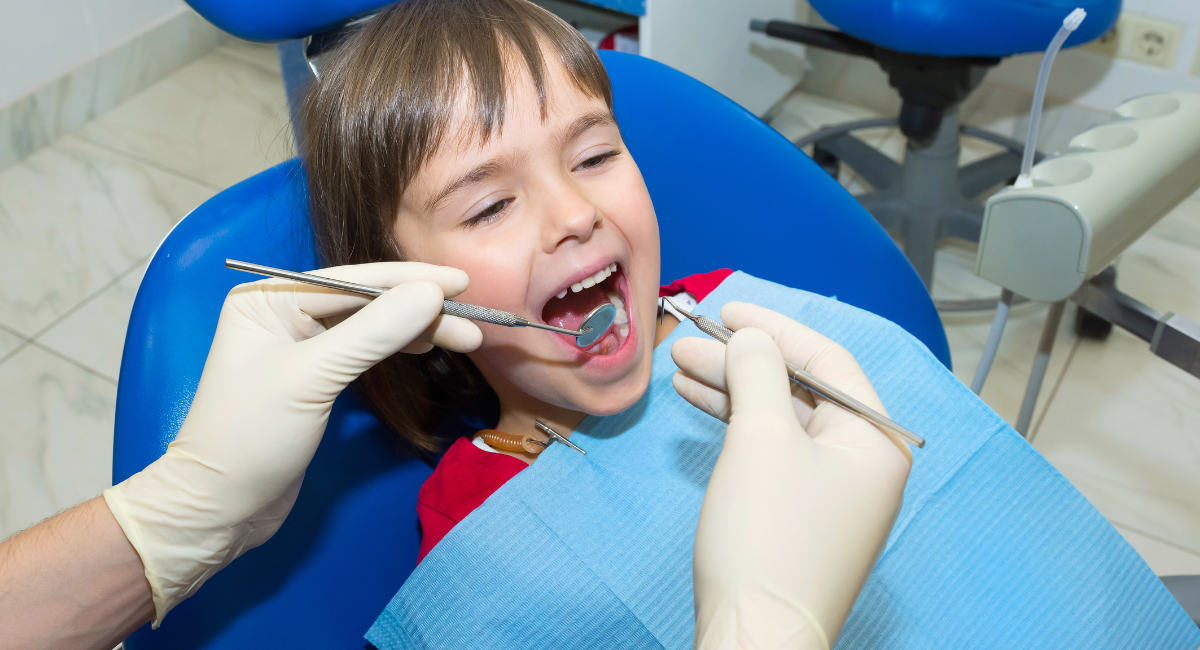
Because toddlers can’t always tell you a tooth hurts, routine preventive checkups are the most reliable way to catch decay before it becomes painful.
How Are Cavities Treated in Little Kids?
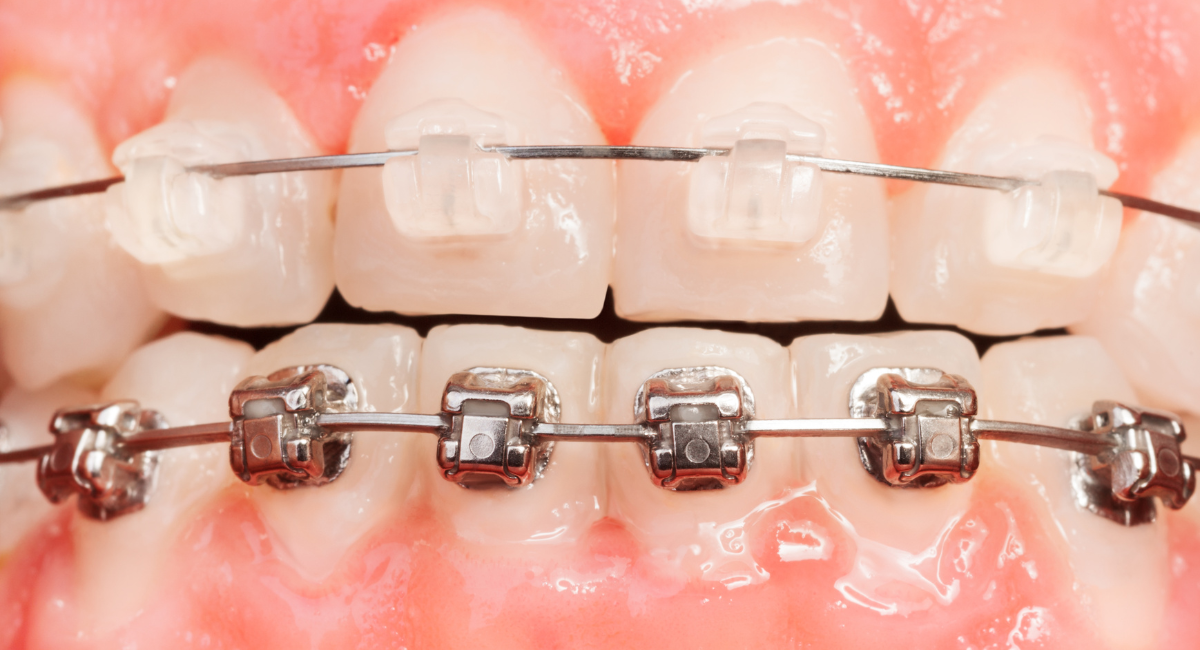
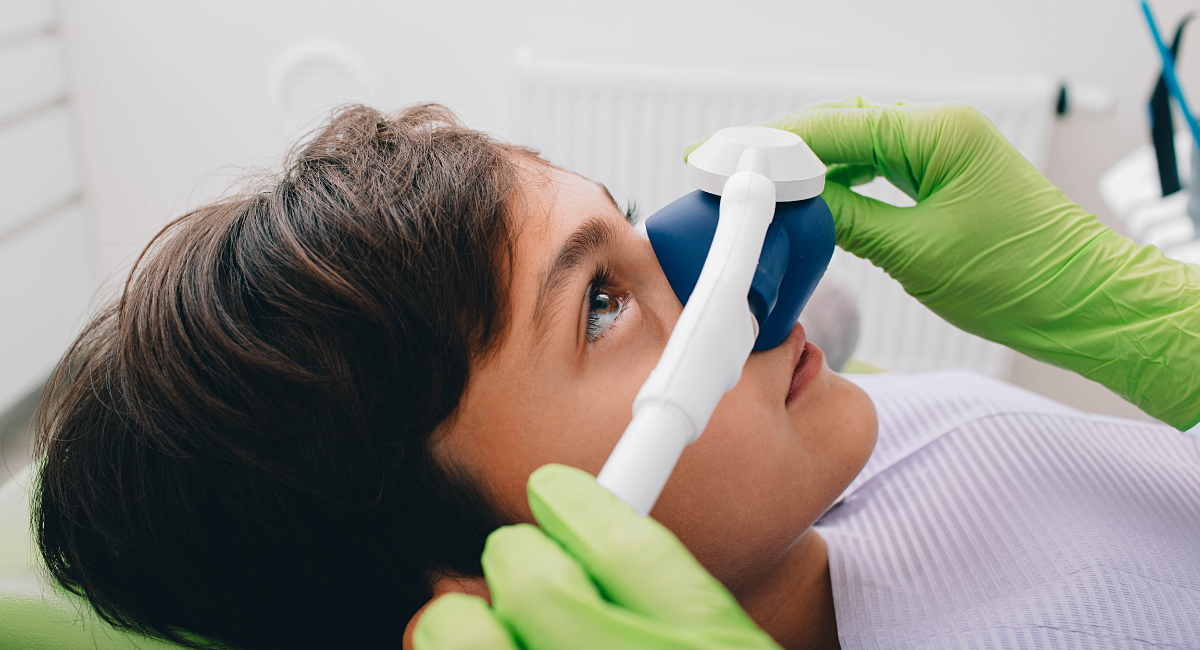
Treatment depends on how far the decay has progressed. A small cavity is usually treated with a simple dental filling. If decay is more advanced, a crown may be needed to protect the tooth. For very anxious toddlers or more extensive work, gentle sedation dentistry can keep the visit calm and comfortable.
“It’s Just a Baby Tooth” Why Treatment Still Matters
It’s tempting to think a decayed baby tooth doesn’t matter because it’ll fall out anyway. But untreated decay can cause pain, infection, difficulty eating, and problems with the adult tooth developing underneath. Baby teeth also hold space for permanent teeth, so losing one early can lead to crowding. Treating decay now protects both comfort and long-term development.
Preventing the Next Cavity
✅ Brush twice a day with a rice-grain-sized smear of fluoride toothpaste for toddlers.
✅ Skip the bedtime bottle of anything but water.
✅ Offer water instead of juice between meals.
✅ Ask about fluoride treatments and sealants at checkups.
✅ Keep up regular dental visits every six months.
Noticed a spot on your toddler’s tooth? Early care is simple care. Bring them in for a gentle exam. Book a Checkup.
Frequently Asked Questions
Can a 1- or 2-year-old really get a cavity?
Yes. Tooth decay can begin as soon as teeth erupt, sometimes before age two. It’s one of the most common early childhood conditions and is very treatable when caught early.
Do cavities in baby teeth need to be filled?
Usually, yes. Untreated decay can cause pain and infection, affect the developing adult tooth, and lead to early tooth loss and crowding. Treating it protects your child’s comfort and future smile.
What causes cavities in toddlers?
The main causes are frequent sipping of sugary drinks (especially overnight bottles), sticky snacks, incomplete brushing, and the naturally thinner enamel of baby teeth.
Will filling a cavity hurt my toddler?
Pediatric fillings are designed to be gentle and quick. For anxious children or larger cavities, safe sedation options are available to keep the visit calm and pain-free.
How can I prevent cavities in my toddler?
Brush twice daily with a tiny smear of fluoride toothpaste, avoid bedtime bottles with anything but water, limit sugary snacks and drinks, and keep regular dental checkups.
Noticed a white or dark spot on your toddler’s tooth, or just want peace of mind? Early decay is simple to treat when it’s caught early, and every visit with us is gentle, patient, and made for little ones. Don’t wait for a small spot to become a painful problem. Call Growing Smile in Peabody at (978) 587-3368 or book a gentle checkup online, and let’s keep your child’s smile healthy from the very start.