At Growing Smile Pediatric Dentistry and Braces in Peabody, we believe every family deserves complete financial transparency before committing to treatment. This guide breaks down everything you need to know about the cost of braces for children – from type and complexity to insurance, MassHealth, and payment plans – so you can plan with confidence.
What Is the Average Cost of Braces for a Child?
Nationally, the cost of braces for children typically falls within the following ranges:
| Type of Braces | Estimated Cost Range |
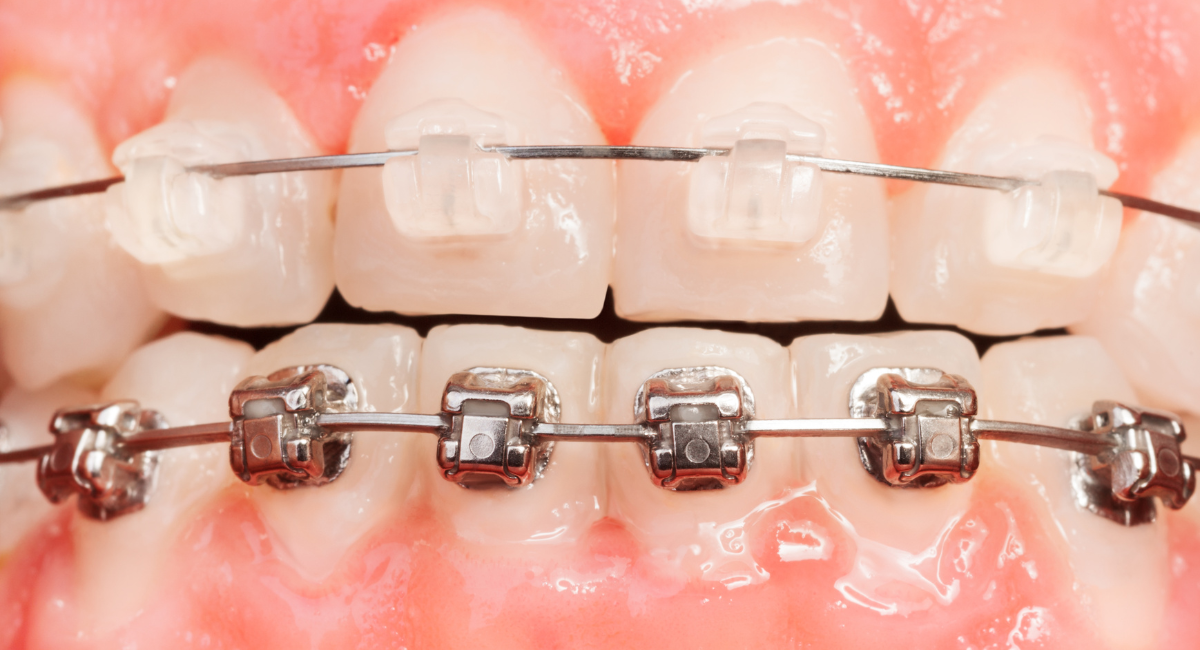
| Traditional metal braces | $3,000 – $6,000 |
| Ceramic (tooth-colored) braces | $4,000 – $8,000 |
| Invisalign Teen / clear aligners | $3,500 – $7,500 |
| Phase 1 / early interceptive treatment | $1,500 – $3,500 |
| Lingual braces (behind the teeth) | $6,000 – $12,000 |
These are national averages. In the greater Peabody and North Shore area of Massachusetts, costs tend to align with the mid-to-upper end of these ranges – but insurance, payment plans, and early intervention can bring out-of-pocket costs down considerably.
The best way to get an accurate number for your child specifically is a personalized consultation. At Growing Smile, orthodontic consultations include a full assessment of your child’s needs and a transparent breakdown of all costs before any treatment begins.
What Factors Affect the Cost of Braces for Children?
No two smiles are the same, which is why no two treatment plans cost the same. Here are the key variables that influence what you’ll pay:
1. Type of Braces
Traditional metal braces remain the most affordable option. Ceramic braces, clear aligners like Invisalign, and lingual braces each carry a premium – primarily due to the materials, technology, and lab work involved. Your child’s orthodontist will recommend the most appropriate type based on their clinical needs, not just preference.
2. Complexity of the Case
A child with mild crowding and no bite issues will require far less treatment than a child with a significant underbite, severe crowding, or complex jaw discrepancy. More complex cases involve more appointments, more adjustments, and longer overall treatment time – all of which affect cost.
3. Length of Treatment
Most pediatric orthodontic treatment lasts between 12 and 30 months. Longer treatment means more adjustment visits and more materials used. Phase 1 (early interceptive) treatment, which typically happens between ages 6–10, is usually shorter and less expensive than full Phase 2 treatment.
4. Phase 1 vs. Phase 2 Treatment
Some children benefit from two-phase orthodontic treatment:
✅ Phase 1 (interceptive): Early treatment around ages 6–10 using appliances like palate expanders or partial braces to guide jaw and tooth development
✅ Phase 2 (comprehensive): Full braces or aligners in the early teen years to finalize alignment
When broken into two phases, each phase has its own cost. However, Phase 1 treatment can simplify Phase 2 significantly – sometimes reducing the overall duration and total cost of comprehensive treatment.
5. Geographic Location
Orthodontic costs vary by region. In Massachusetts – and particularly in the greater Boston and North Shore area – orthodontic costs tend to be higher than the national average due to overhead, cost of living, and local market rates. That said, insurance and payment options make treatment accessible for most families regardless of location.
6. Retainers and Post-Treatment Care
Orthodontic treatment doesn’t end the day the braces come off. Retainers are essential to maintain the results and prevent teeth from shifting back. Some practices include retainers in the overall treatment fee; others charge separately. Always ask upfront what is included in the quoted price.
Does Dental Insurance Cover Braces for Children?
The good news: many dental insurance plans include an orthodontic benefit – and for children specifically, this benefit is often more generous than for adults.
Here’s what you need to know about insurance and braces:
✅ Most plans with orthodontic coverage provide a lifetime maximum benefit per child, commonly ranging from $1,000 to $2,500
✅ The benefit typically applies to one course of comprehensive orthodontic treatment per lifetime
✅ Coverage often requires a waiting period before orthodontic benefits become active
✅ Most plans cover both traditional braces and clear aligners – but verify your specific plan
✅ Phase 1 (early) treatment may or may not be covered, depending on the plan
Important: The orthodontic benefit is separate from your regular dental benefit. Your dental insurance card may show a $1,500 annual dental maximum, but your orthodontic benefit is a separate line item – don’t assume they’re the same.
At Growing Smile, our team will verify your insurance benefits before your consultation so you walk in knowing exactly what’s covered.
Does MassHealth Cover Braces for Children?
Yes – in certain cases. MassHealth (Massachusetts Medicaid) may cover orthodontic treatment for eligible children when it is deemed medically necessary rather than cosmetic. Qualifying conditions typically include:
✅ Severe crowding that impacts chewing function or oral hygiene
✅ Significant bite problems (underbite, crossbite, open bite) that affect speech or eating
✅ Skeletal discrepancies that require orthodontic intervention
✅ Conditions related to cleft palate or other developmental issues
Cosmetic orthodontics – braces for mild crowding or spacing that don’t impact function – are generally not covered by MassHealth.
If your child is enrolled in MassHealth and you believe they may qualify for orthodontic coverage, our team at Growing Smile can assess their case and help navigate the process. We proudly accept MassHealth for eligible patients.
Making Braces More Affordable: Payment Options and Strategies
Even after insurance, orthodontic treatment represents a meaningful out-of-pocket expense for many families. Here are practical strategies to make it work:
In-House Payment Plans
Most orthodontic practices – including Growing Smile – offer monthly payment plans that spread the cost of treatment over the duration of care. With no-interest or low-interest options, many families pay a manageable monthly amount rather than a large lump sum.
Flexible Spending Accounts (FSA) and Health Savings Accounts (HSA)
If your employer offers an FSA or HSA, orthodontic treatment for your child is an eligible expense. Using pre-tax dollars from these accounts effectively reduces the real cost of braces by your marginal tax rate – often 20–30%.
Ask About a Paid-in-Full Discount
Many orthodontic practices offer a discount if the full treatment fee is paid up front. If you have the means to do so, this can reduce your total cost by several hundred dollars. Always ask.
Early Intervention Can Reduce Total Cost
Phase 1 treatment – interceptive orthodontics done while a child is still growing – can simplify and shorten Phase 2 treatment significantly. For some children, it eliminates the need for certain procedures. While there is an upfront cost to Phase 1, it can reduce the overall financial investment across both phases.
Don’t Delay – Complexity Often Increases With Age
Orthodontic problems that are easy to address at age 8 or 9 can become more complex and more expensive by age 14 or 15, when jaw growth has slowed or stopped. In some severe cases, waiting means adding surgical procedures that would not have been necessary with earlier intervention. Getting an evaluation on time is one of the best financial decisions a parent can make.
What’s Included in the Cost of Braces at Growing Smile?
Transparency is something we take seriously. Here’s what is typically included in the orthodontic fee at Growing Smile Pediatric Dentistry and Braces:
✅ Initial orthodontic consultation and records
✅ All orthodontic appliances (brackets, wires, or aligners)
✅ All adjustment and progress appointments throughout treatment
✅ Retainers at the conclusion of active treatment
✅ Retainer check appointments
✅ Access to our team for any questions or urgent concerns during treatment
We will walk you through exactly what is – and isn’t – included in your child’s specific treatment plan before you make any decision. No surprises.
Frequently Asked Questions About the Cost of Braces for Children
How much do braces cost for a child in Massachusetts?
In Massachusetts, braces for children typically range from $3,000 to $7,000 for comprehensive treatment, depending on the type of braces, the complexity of the case, and the length of treatment. Insurance benefits, MassHealth eligibility, and payment plans can significantly reduce out-of-pocket costs. Growing Smile offers transparent pricing and will provide a detailed cost breakdown at your child’s consultation.
At what age should my child get braces?
The American Association of Orthodontists recommends an initial orthodontic evaluation by age 7, though most children who need comprehensive braces begin treatment between ages 10 and 14. Children who need early (Phase 1) treatment may start as young as 6 or 7. The right age depends entirely on your child’s individual development.
Are braces covered by dental insurance for kids?
Many dental insurance plans include a lifetime orthodontic benefit for children, commonly between $1,000 and $2,500. Coverage varies widely by plan. Our team at Growing Smile will verify your specific benefits before your consultation so you know exactly what to expect.
Is Invisalign more expensive than braces for kids?
The cost of Invisalign and traditional braces has become increasingly comparable. In some cases, Invisalign may be slightly more expensive; in others, costs are equivalent. The more important factor is which option is clinically appropriate for your child’s case. We will explain all options and their costs at your consultation.
Can I make monthly payments for my child’s braces?
Yes. Growing Smile offers flexible monthly payment plans to spread the cost of orthodontic treatment over the duration of care. We are committed to making treatment accessible for all families. Call (978) 587-3368 to ask about current payment options.
What happens if my child needs braces in two phases – does that cost more?
Two-phase treatment does involve two separate fees, but Phase 1 treatment is typically less expensive than comprehensive braces, and completing Phase 1 often shortens or simplifies Phase 2, which can reduce the overall cost. In some cases, successful Phase 1 treatment eliminates the need for Phase 2 or reduces how long Phase 2 takes.
Your Child’s Smile Is Worth It – and It’s More Affordable Than You Think
The cost of braces for a child may feel daunting at first glance. But with the right insurance, the right payment plan, and the right timing, orthodontic treatment is within reach for most families – and the long-term benefits for your child’s health, function, and confidence are truly priceless.
At Growing Smile Pediatric Dentistry and Braces, we’re committed to transparent pricing, flexible payment options, and treatment plans designed to fit both your child’s smile and your family’s budget.
Serving Peabody, Lynnfield, Salem, Danvers, Beverly, Swampscott, Marblehead, and all surrounding communities – we’re here to help your child start their journey to a straighter, healthier smile.
📍 79 Lynnfield St, Peabody, MA 01960
📞 Call or Text: (978) 587-3368
🌐 Book a free orthodontic consultation at growingsmilepeabody.com
New patients welcome. Insurance verified before your visit. Flexible payment plans available.