Children rely on their teeth every day for eating, speaking, and smiling. Even though baby teeth eventually fall out, they play an important role during childhood. They help children chew food properly, speak clearly, and guide permanent teeth into the correct position as they grow.
Because children are still developing good oral habits, their teeth can sometimes become damaged by cavities, accidents, or heavy wear. When a tooth becomes too weak, a dentist may recommend Dental Crowns to protect and restore it. A crown covers the visible part of the tooth and works like a protective cap that helps keep the tooth strong.
Many parents are unsure how to recognize when their child might need this treatment. Certain warning signs can show that a tooth is too damaged for a regular filling. Knowing these signs can help parents take action early and protect their child’s oral health.
Why Dentists Sometimes Recommend Dental Crowns for Children
Dentists recommend crowns when a child’s tooth has been severely damaged and needs extra support. A dental crown in Peabody restores the tooth’s shape and strength while protecting it from further damage.
Baby teeth serve as placeholders for permanent teeth. If a baby tooth is lost too early, nearby teeth can shift into the empty space. This movement may cause alignment problems later. For this reason, dentists try to save and protect baby teeth whenever possible.
Protecting Weak Teeth
A tooth that has deep decay may become fragile. The remaining structure may not be strong enough to handle normal chewing pressure. When a weak tooth is left untreated, it may break or continue to deteriorate.
A crown strengthens the tooth by covering it completely. This protective layer helps prevent further damage and allows the tooth to function normally.
Restoring Tooth Shape and Function
When a large portion of a tooth is damaged, it may lose its natural shape. This can make chewing difficult and uncomfortable for a child.
Dentists place Dental Crowns to rebuild the tooth and restore its proper shape. After the crown is placed, the tooth becomes stronger and can support normal chewing again. This helps children eat comfortably and continue their daily routines.
What Signs Show a Child May Need a Dental Crown?
Dental problems in children usually develop gradually. Parents may notice certain changes that suggest a tooth has become damaged. Identifying these signs early can help prevent more serious dental problems.
Severe Tooth Decay
Severe tooth decay is one of the most common reasons children may need a crown. Cavities often begin as small areas of damage on the tooth surface. If they are not treated early, the decay can spread deeper into the tooth.
When the cavity becomes large, much of the tooth structure may be lost. In these cases, a simple filling may not be strong enough to repair the tooth.
A crown helps protect the remaining tooth and prevents further damage. Children with deep cavities may also feel pain when eating sweets or drinking cold beverages.
Large Cavities That Cannot Hold a Filling
Fillings work well for small or moderate cavities. However, when a cavity becomes too large, a filling may not stay in place for long.
If too much of the tooth has been damaged, the filling can break or fall out during chewing. A crown provides stronger protection because it covers the entire tooth and holds the remaining structure together. This helps the baby tooth stay functional until the permanent tooth is ready to come in.
A Cracked or Broken Tooth
Children are active and often play sports or outdoor games. During these activities, accidents can sometimes cause a tooth to crack or break.
A cracked tooth may cause pain when a child bites down on food. In some cases, the damage is visible as a chip or fracture.
If a large part of the tooth is damaged, a crown can restore the tooth and protect it from further injury.
Tooth Damage After a Pulp Treatment
When decay reaches the inner part of the tooth, a pulp treatment may be needed to remove infection and save the tooth. In many cases, a Pediatric dentist in Peabody may recommend placing a crown after the procedure.
After this treatment, the tooth can become weaker, so a crown helps strengthen and protect it from breaking. This protection allows the tooth to continue working normally.
Teeth That Wear Down Quickly
Some children grind their teeth during sleep or develop habits that cause extra wear. Over time, this can reduce the height and strength of the tooth.
Worn teeth may become sensitive or uncomfortable when chewing. If the wear becomes severe, a crown may be used to restore the tooth and protect it from further damage.
Symptoms Parents Might Notice at Home
Parents often notice small signs that indicate a dental problem. Paying attention to these changes can help detect issues early.
Frequent Tooth Pain
Persistent tooth pain is a common sign that something may be wrong. A child might complain that a tooth hurts while eating or brushing.
Sometimes the pain may disappear temporarily and then return later. Even mild pain should be checked by a dentist to determine the cause.
Sensitivity to Hot or Cold Foods
Sensitivity to hot or cold foods may occur when the inner layers of a tooth become exposed. Children may feel discomfort when drinking cold milk or eating warm foods.
If the sensitivity continues for several days, it may be a sign that the tooth has deep decay or damage.
Visible Damage to the Tooth
Parents may notice visible changes such as dark spots, holes, or chipped areas on their child’s teeth.
These signs often indicate that part of the tooth structure has been lost. A dentist can evaluate the tooth and determine the most appropriate treatment.
Difficulty Chewing on One Side
Children who experience tooth discomfort may start chewing on only one side of their mouth. They may avoid certain foods or complain that chewing hurts.
This behavior can signal that a tooth needs attention. A dental visit can help identify the problem before it becomes worse.
How Dentists Evaluate Whether a Crown Is Needed
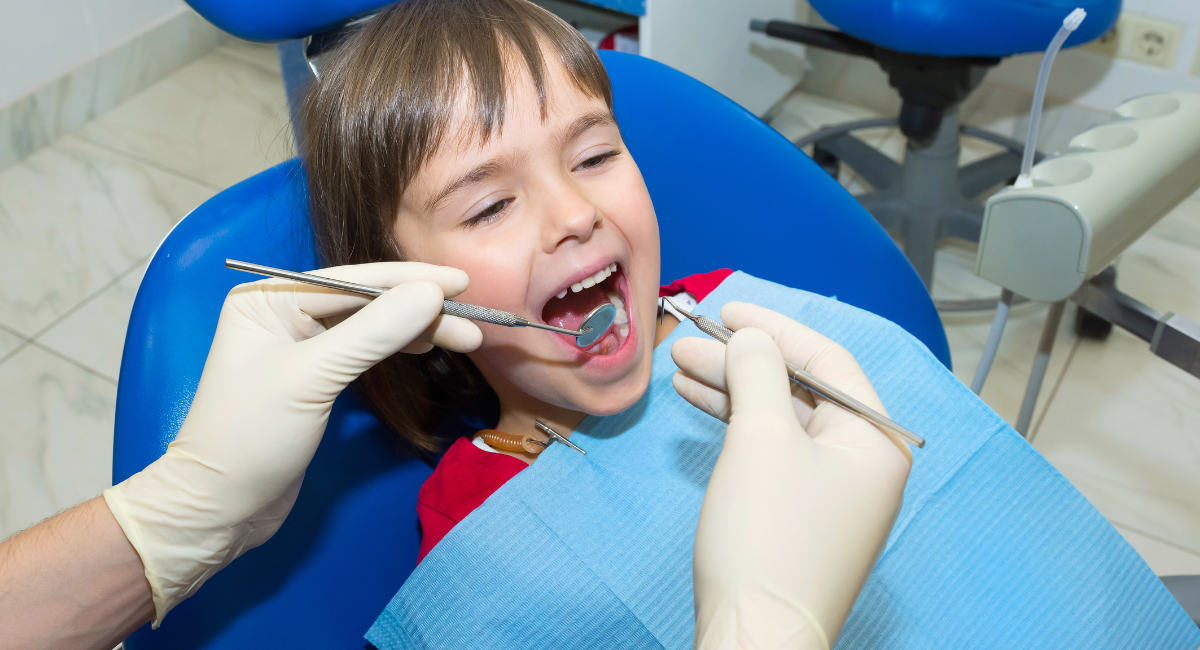
When a child visits the dentist with tooth pain or damage, the dentist performs a careful examination to determine the best treatment.
Dental Examination
The dentist begins with a visual examination of the teeth and gums. This allows them to identify cavities, cracks, or other signs of damage.
The dentist also checks surrounding teeth to see whether other areas may need attention.
Dental X-Rays
Dental X-rays help dentists see the inner structure of the tooth and the surrounding bone. These images reveal problems that may not be visible during a regular exam.
X-rays also show how deep the decay extends and whether the roots of the tooth remain healthy.
Evaluating Tooth Strength
After reviewing the examination and X-rays, the dentist evaluates the strength of the remaining tooth structure. If the tooth is too weak to support a filling, a dental crown may be recommended.
Parents in Peabody often appreciate this thorough evaluation because it helps them understand why a certain treatment may be necessary for their child.
What Happens If a Damaged Tooth Is Not Treated
Ignoring dental damage can lead to more serious problems over time. Even though baby teeth eventually fall out, they still need proper care.
Increased Risk of Infection
Deep cavities allow bacteria to reach the inner part of the tooth. This can lead to infection, swelling, and severe pain.
If the infection spreads, it may affect nearby teeth and surrounding tissues.
Pain and Difficulty Eating
A damaged tooth can make chewing uncomfortable. Children may avoid certain foods or refuse to chew on one side of their mouth. This can affect their nutrition and overall comfort.
Possible Impact on Permanent Teeth
Baby teeth help guide permanent teeth into their proper positions. If a baby tooth is lost too early, nearby teeth may shift.
This movement can cause spacing issues when the permanent tooth begins to grow. Parents in Peabody who schedule regular dental visits often help prevent these problems.
How Early Treatment Helps Protect Children’s Oral Health
Early dental treatment helps protect a child’s smile and prevent serious dental problems. Regular dental visits allow dentists to find and treat issues early.
Parents can support oral health by encouraging daily brushing, limiting sugary snacks, and visiting the dentist regularly. Early care helps children maintain strong and healthy smiles.
Conclusion
Children’s teeth play an important role in eating, speaking, and guiding permanent teeth into the correct position. When a tooth becomes badly damaged, early treatment can help prevent pain and more serious dental problems.
Signs such as large cavities, cracked teeth, or ongoing tooth pain may suggest a child needs dental care. A dentist can examine the tooth and use X-rays to determine the most suitable treatment.
Early care helps protect oral health and supports a healthy smile as a child grows. Families can visit Growing Smile Pediatric Dentistry and Braces for gentle care focused on children’s comfort and healthy smiles.
Sources:
- https://pmc.ncbi.nlm.nih.gov/articles/PMC3633299/
- https://www.ada.org/-/media/project/ada-organization/ada/ada-org/files/resources/public-programs/give-kids-a-smile/ada-gkasts-eng_dental_professionals.pdf
- https://www.medicaid.gov/medicaid/benefits/downloads/child-dental-guide.pdf
- https://www.aapd.org/globalassets/media/policies_guidelines/bp_restorativedent.pdf