A child’s smile is about more than straight teeth. The way the top and bottom teeth fit together, called the bite, affects how a child eats, speaks, and feels about their smile. When the bite is not balanced, it can cause discomfort and chewing problems.
Many parents now ask if Invisalign can help. Clear aligners are comfortable and nearly invisible. In many mild to moderate cases, they can improve bite issues by gently moving teeth into better positions. The best way to know is to have a dentist or orthodontist evaluate your child’s smile.
What Does “Bite” Mean in Children?
When dentists talk about a bite, they are describing how the upper and lower teeth meet when the mouth closes. In a healthy bite, the teeth line up in a way that allows smooth chewing and proper jaw movement.
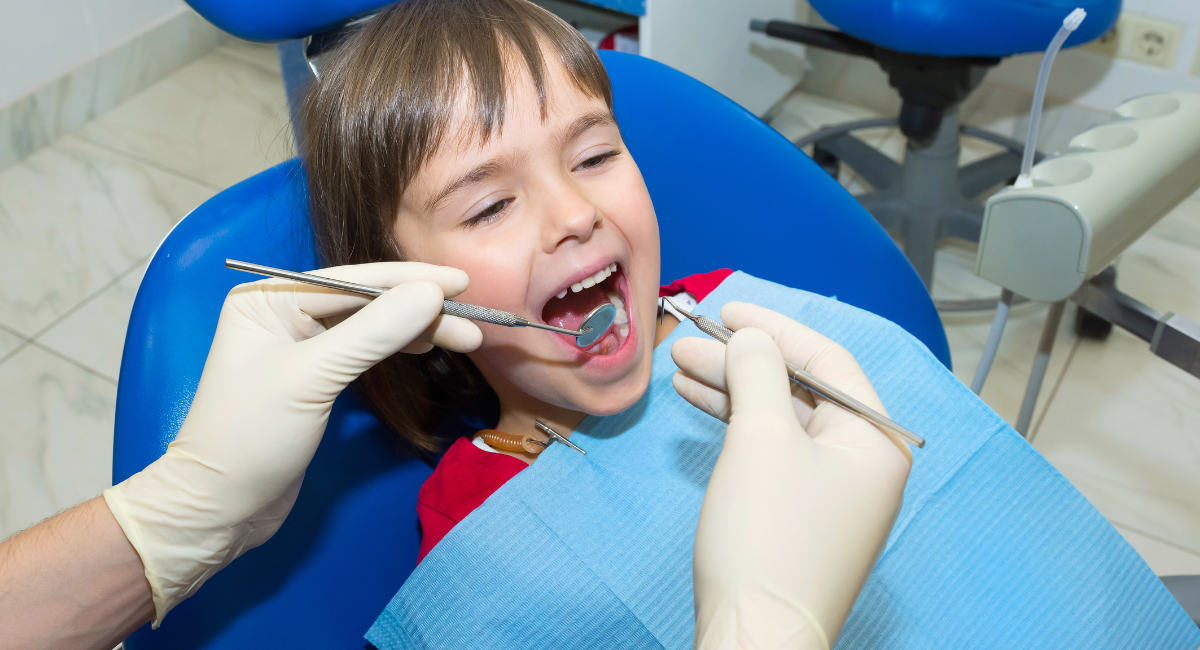
The back teeth should fit together like puzzle pieces, and the front teeth should overlap slightly without sticking out too far. A dentist in Peabody MA can check this alignment during a routine visit to make sure everything is functioning properly.
A balanced bite helps protect teeth from uneven wear. It also supports jaw comfort and clear speech. When something is off, small issues can grow into bigger problems over time.
Types of Bite Problems
There are several common bite issues seen in children. An overbite happens when the top front teeth extend too far over the bottom teeth. An underbite is when the lower teeth sit in front of the upper teeth.
A crossbite occurs when some upper teeth sit inside the lower teeth instead of outside. An open bite means the front teeth do not touch when the mouth is closed.
Some bite problems are mild and easy to fix. Others may involve jaw growth differences and need more careful planning. Each child’s case is different, which is why early evaluation matters.
Why Bite Issues Matter
Bite problems are not just about how teeth look. They can affect daily life. Children with bite issues may struggle to chew certain foods properly. Some may experience jaw discomfort or headaches. Speech can also be affected, especially when the front teeth are not aligned well.
Over time, a poor bite can cause uneven pressure on certain teeth. This may lead to faster wear or even small cracks. Fixing bite problems early can prevent these complications later.
How Clear Aligners Work for Kids
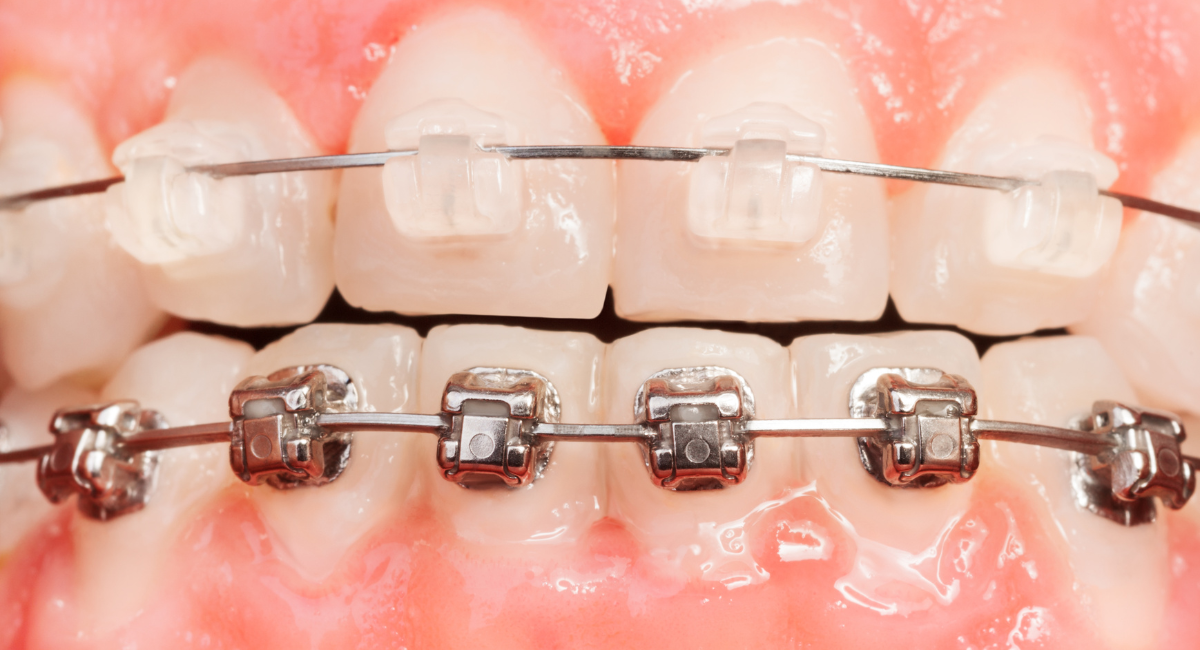
Clear aligners are thin plastic trays made to fit over the teeth. They are custom-created using digital scans. These trays apply gentle pressure to move teeth slowly into better positions. One of the most recognized systems used for this purpose is Invisalign in Peabody.
Instead of metal brackets and wires, children wear a series of clear trays. Each set is worn for about one to two weeks before switching to the next one. Over time, the teeth shift step by step into the planned alignment.
Step-by-Step Tooth Movement
The process starts with a detailed digital scan of your child’s teeth. This scan creates a 3D model of the mouth, allowing the dentist to plan how each tooth will move over time. Parents and children can often see a preview of the expected results before treatment begins.
Each aligner is slightly different and gently shifts certain teeth in small steps. While the changes may seem minor at first, they add up over several months.
Most children need to wear their aligners for 20 to 22 hours a day, removing them only for meals and brushing. The smooth, removable trays make treatment comfortable and easy to manage.
How Treatment Is Planned
Treatment planning depends on your child’s age, jaw development, and the type of bite concern. Mild to moderate alignment issues usually respond well to clear aligners, while more complex cases may need other orthodontic options.
Regular checkups are important to track progress. During these visits, the dentist ensures the teeth are moving as planned and makes adjustments if needed to keep treatment on schedule.
Can Invisalign Improve a Child’s Bite?
In many cases, clear aligners can successfully improve a child’s bite. They are especially helpful when the bite problem is caused mainly by tooth position rather than severe jaw differences.
Correcting Overbite and Underbite
Aligners can gently improve an overbite by guiding upper teeth back or moving lower teeth forward. Small attachments may be added to help the trays move teeth more precisely.
Underbites caused by tooth position can also improve with aligners. If jaw growth is the main cause, other treatment options may be needed. Early evaluation helps determine the right approach.
Fixing Crossbite and Open Bite
Crossbites often respond well to aligners, especially when treated early. The trays guide teeth into better positions so they fit together properly.
Open bites can improve by helping the front teeth come closer together, making chewing more comfortable.
When It Works Best
Clear aligners work best when worn as instructed. Since they are removable, children need to be consistent.
They are usually recommended for preteens and teens who can manage daily wear, with parents supporting good habits throughout treatment.
Benefits of Early Bite Correction
Correcting a bite at the right time can make a big difference in a child’s life. Early treatment often leads to smoother results and fewer complications later.
Better Chewing and Speech
When teeth fit together properly, chewing feels easier and more comfortable. Food breaks down more evenly, which supports healthy digestion and reduces strain on the jaw.
Speech may improve as well. Some sounds rely on proper contact between the tongue and teeth. Correcting the bite can help children speak more clearly.
Improved Confidence
A balanced smile can boost a child’s self-esteem. When children feel good about their teeth, they are more likely to smile, participate in class, and interact confidently with others. As alignment improves, many children notice positive changes in how they see themselves.
Preventing Future Problems
Correcting bite issues can reduce uneven tooth wear and make brushing easier, lowering the risk of gum irritation.
Early treatment may also prevent more complex dental procedures later in life. Guiding jaw growth during childhood often leads to healthier long-term results.
What Parents Should Know Before Starting
Before beginning treatment, parents should understand how the process works and what commitment is required.
Ideal Age for Treatment
Orthodontic evaluations are often recommended around age seven. This allows the dentist to monitor growth and detect problems early. Treatment does not always start immediately, but early exams provide helpful information.
Aligner treatment often begins when most permanent teeth have come in. The exact timing depends on the child’s development.
Responsibility and Wear Time
Since aligners are removable, children must remember to wear them consistently. Leaving them out for long periods can delay progress.
Parents should remind younger children and check that trays are worn the correct number of hours each day. Building good habits early makes treatment smoother and more effective.
Regular Checkups
Routine visits help track how teeth are moving. Adjustments may be made to keep progress steady. These appointments are usually simple and quick.
At Growing Smile Pediatric Dentistry and Braces, families receive clear guidance throughout the process so they understand each step.
A Local Perspective for Families
Families often look for orthodontic options that fit their daily routines. In Peabody, many parents prefer treatments that allow children to stay active in school and sports without discomfort.
Clear aligners can be convenient for busy families. They are easy to remove during meals and special events. Children who play sports often appreciate not having metal brackets in their mouths.
What Parents Often Ask
Parents commonly ask if aligners are painful. Most children feel mild pressure when switching trays, but this usually fades after a few days. They also ask how long treatment lasts. Many cases range from 12 to 24 months, depending on the bite problem.
Families in Peabody often want to know how to clean the trays. A gentle rinse and soft brushing with lukewarm water usually keeps them fresh.
Support from a Pediatric Dental Team
Choosing orthodontic care is an important step. Working with a team that understands children makes the experience more comfortable. Pediatric-focused dentists are trained to explain treatment in simple ways that kids understand.
They monitor growth carefully and adjust plans when needed. Having supportive guidance helps children feel confident during the process.
Conclusion
A healthy bite plays an important role in your child’s comfort, speech, and confidence. Clear aligners can improve many common bite problems when treatment begins at the right time and instructions are followed carefully. Early evaluation helps determine the best approach for your child’s needs.
If you have questions about your child’s bite or orthodontic options, the team at Growing Smile Pediatric Dentistry and Braces is ready to help families in Peabody make informed decisions and support healthy, happy smiles for years to come.
Sources:
- https://headstart.gov/publication/understanding-why-baby-teeth-are-important
- https://www.aapd.org/globalassets/media/policies_guidelines/bp_developdentition.pdf
- https://aaoinfo.org/child-orthodontics/
- https://medlineplus.gov/ency/article/001058.htm