Children’s smiles change faster than most parents expect. One year your child may have small baby teeth with gaps, and the next year adult teeth begin to come in.
During this stage, the jaw is growing and the bite is forming. Early orthodontic care is important because small alignment issues can become bigger problems if they are not treated in time.
Many parents ask if clear aligners are safe while their child is still growing. With modern orthodontic technology, treatment is now more comfortable and flexible. Invisalign can be used for some children who have both baby and permanent teeth.
Instead of pushing teeth into place, the aligners gently guide them as the jaw develops naturally. Understanding this process helps parents feel more confident about protecting their child’s growing smile.
Understanding How Children’s Teeth Grow
Baby Teeth vs. Permanent Teeth
Children usually begin losing baby teeth around age six. Permanent teeth slowly replace them over several years. This stage can look uneven. Some teeth may seem too large for the mouth, while others may come in at odd angles. Gaps and crowding are common during this time.
This period is called mixed dentition. It simply means that both baby teeth and permanent teeth are present at the same time. Because the jaw is still forming, this stage gives a dentist in Peabody MA the opportunity to guide growth in a positive direction and monitor how the new teeth are coming in.
If crowding or bite problems appear early, they can sometimes be corrected before they become more serious. Guiding teeth while the mouth is still developing can lead to smoother results later and may reduce the need for more complex treatment in the future.
Why Timing Matters in Orthodontic Care
Orthodontic treatment for children often begins between ages seven and ten. At this age, the jawbone is still flexible. That flexibility makes it easier to guide growth.
If a child has a crossbite, overbite, or crowding issue, early treatment can reduce the need for more complicated procedures later. Addressing concerns early may shorten overall treatment time in the teenage years.
Regular dental visits are important because they allow dentists to monitor how the bite is forming. Early evaluation does not always mean immediate treatment, but it helps parents understand what may be needed in the future.
What Is Invisalign and How Is It Different?
Clear Aligners Explained
Clear aligners are thin, transparent trays that fit snugly over the teeth. They are custom-made using digital scans of your child’s mouth. Each set of trays is slightly different and is worn for about one to two weeks before switching to the next set.
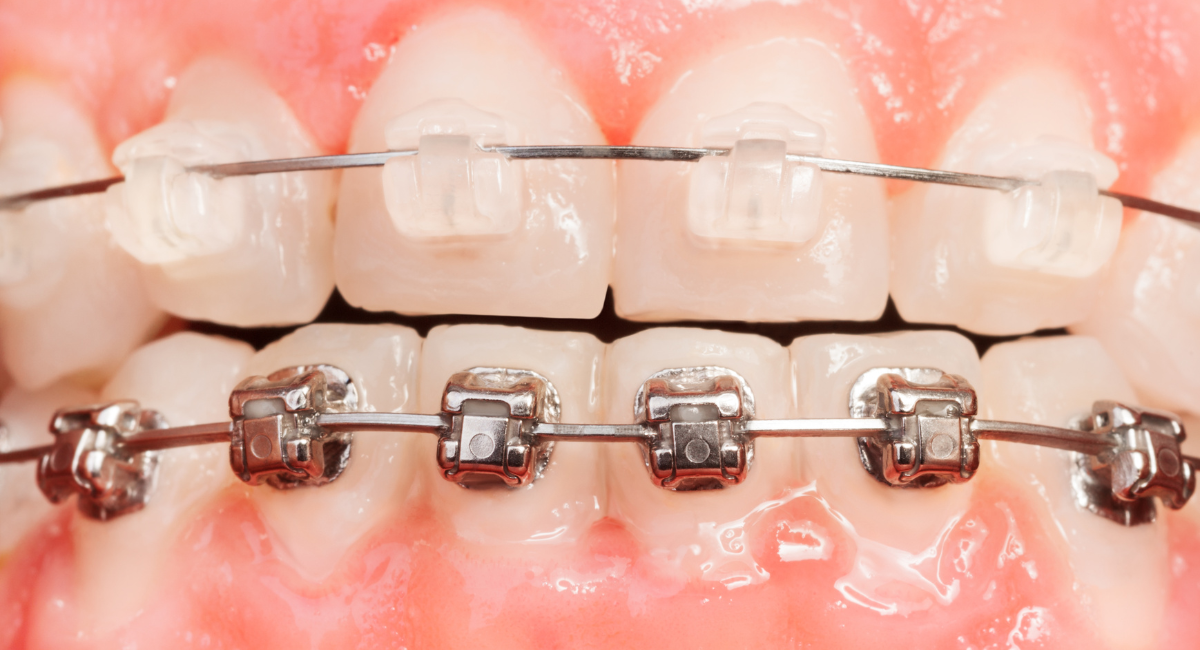
Unlike traditional braces, there are no metal brackets or wires attached to the teeth. The aligners are removable, which means children can take them out to eat, brush, and floss.
Because they are clear, they are much less noticeable. Many children feel more confident wearing them at school or during activities.
How Treatment Is Planned
Before treatment begins, the dentist takes digital images and scans of your child’s teeth. These images create a detailed 3D model of the mouth. Using advanced software, the dentist maps out how each tooth will move step by step.
Parents can often see a preview of how their child’s smile may look after treatment. This helps families understand the process and expected results.
When planning treatment for growing children, the dentist also considers jaw development. The plan may include space for teeth that have not yet erupted. Adjustments can be made along the way as new teeth come in.
How Invisalign Works for Growing Children’s Teeth
Step-by-Step Process
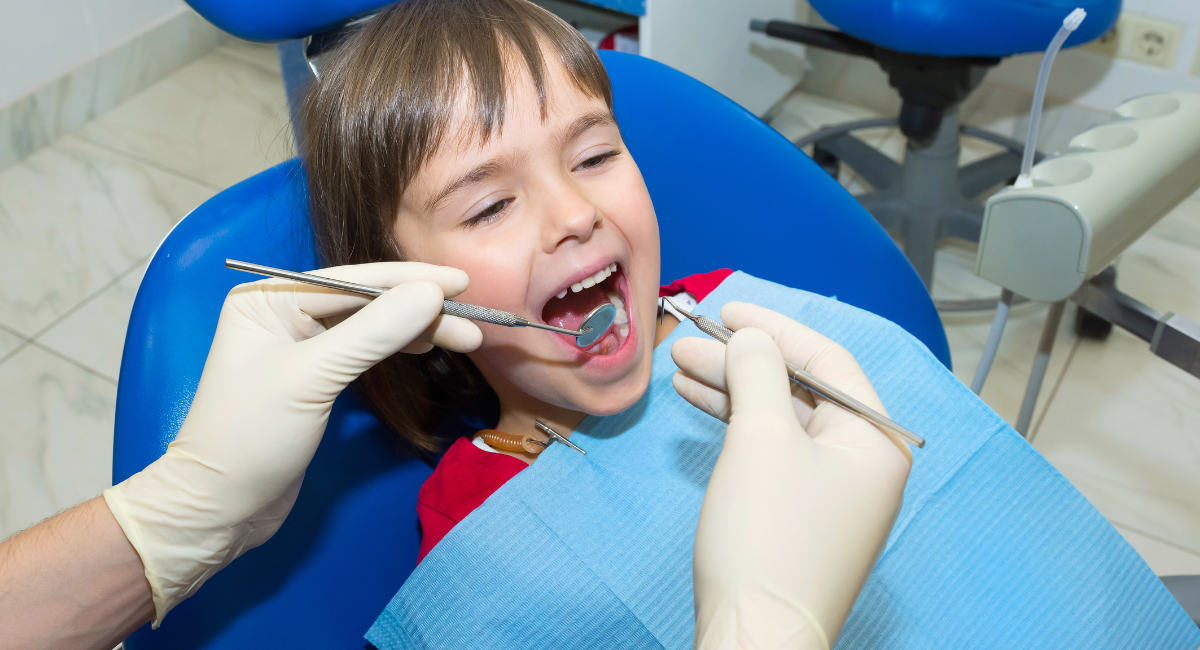
The process begins with a full orthodontic evaluation. The dentist checks bite alignment, jaw growth, and the position of both baby and permanent teeth. X-rays may be taken to see teeth that have not yet erupted.
Once treatment starts, your child will wear the aligners for about twenty to twenty-two hours each day. They are removed only for meals and brushing. Each new set of trays applies gentle pressure that moves teeth gradually.
Every one to two weeks, your child switches to a new set. These small changes add up over time. Teeth move in a controlled and steady way.
For growing patients, special features may be included. Some aligners have small eruption tabs that create space for incoming permanent teeth.
There may also be wear indicators that fade over time, helping parents track how consistently the aligners are worn. This gradual movement works with natural growth instead of against it.
How It Supports Jaw and Tooth Development
Children’s jawbones are still forming. That is an advantage in early orthodontic care. Because the jaw is flexible, guidance can happen more easily.
If a child has crowding, early treatment can gently create room for adult teeth. This reduces pressure and allows teeth to erupt in better positions. In some cases, guiding growth early can reduce the need for tooth removal later. Invisalign in Peabody can also be considered as a gentle option to support this process when recommended by a dental professional.
Families in Peabody often ask whether early aligner treatment is safe for developing teeth. With proper supervision and planning, it can support healthy alignment while the jaw continues to grow. The goal is not to rush development but to guide it in a steady and healthy direction.
Benefits for Growing Smiles
Comfort and Confidence
One major benefit of clear aligners is comfort. The trays are smooth and fit closely to the teeth. There are no sharp edges or wires that can irritate the cheeks.
Because they are clear, many children feel less self-conscious. They can smile, speak, and participate in school activities without feeling embarrassed about metal braces.
Removable trays also mean fewer food restrictions. Children can still enjoy popcorn, apples, and other favorite foods that might be limited with braces.
Oral Hygiene Advantages
Oral hygiene is easier with removable aligners. Children can brush and floss normally after removing the trays. This helps reduce the risk of plaque buildup and cavities.
With traditional braces, food can get trapped around brackets and wires. Cleaning around those areas can be challenging. Clear aligners simplify the process and support healthier gums.
Good hygiene during orthodontic treatment plays a big role in achieving a bright and healthy smile at the end.
Is Your Child a Good Candidate?
Age and Growth Stages
Not every child is ready for aligner treatment. A full dental evaluation is needed to decide if it is the right option.
Most children who have several permanent teeth and show signs of crowding or bite issues may qualify. The dentist will evaluate jaw growth and overall dental health.
Responsibility is also important. Since aligners are removable, children must be able to wear them consistently. Parents play a big role in reminding younger children to keep them in place.
Common Dental Issues It Can Help
Clear aligners can address mild to moderate crowding, spacing problems, overbites, underbites, and crossbites. Early guidance can help prevent these issues from becoming more severe during the teenage years.
Parents in Peabody often want to know if early orthodontic care can reduce future complications.
In many cases, guiding alignment early makes later treatment easier and shorter. The best way to know if your child is ready is through a professional evaluation.
What Parents Should Know About Daily Care
Wearing Schedule
Consistency is very important for successful treatment. Aligners should be worn most of the day. If they are left out too often, teeth may not move as planned.
Parents can help by creating routines. For example, aligners can be removed during meals and put back in right after brushing.
Setting reminders can help younger children stay on track. Regular checkups allow the dentist to monitor progress and make adjustments if needed.
Cleaning and Maintenance
Aligners should be rinsed with lukewarm water and gently brushed each day. This keeps them clean and clear. Hot water should be avoided because it can change the shape of the trays.
Teeth should always be brushed before putting the clear aligners back in place. This prevents food and bacteria from being trapped against the enamel.
Good habits during treatment support strong and healthy teeth long after orthodontic care is complete.
Conclusion
A child’s smile goes through many changes during the growing years. Guiding those changes early can make a lasting difference. Clear aligner treatment offers a gentle way to improve alignment while supporting natural jaw development.
By applying steady pressure and allowing flexibility for new teeth, this system helps create space and balance in a developing smile. With proper evaluation and consistent wear, early orthodontic care can improve comfort, confidence, and long-term dental health.
If you have questions about whether this treatment is right for your child, Growing Smile Pediatric Dentistry and Braces is here to provide caring guidance and help your family take the next step toward a healthy, confident smile.
Sources: