Children’s teeth play an important role in their growth and development. Baby teeth help kids chew food, speak clearly, and guide permanent teeth into the right position. When a tooth becomes weak, cracked, or badly damaged, dentists may recommend a crown to protect it and restore its function.
A dental crown is a protective cap placed over a damaged tooth. It covers the entire tooth and restores its shape and strength. This allows children to chew comfortably while protecting the tooth from further damage.
Placing Dental Crowns on children’s teeth is a routine treatment in pediatric dentistry. Dentists perform the procedure safely to restore teeth that cannot be repaired with simple fillings. This guide explains how the process works and what parents and children can expect during treatment.
Why a Child May Need a Dental Crown
Children may need a dental crown when a tooth is too damaged to be repaired with a simple filling. Crowns help restore the tooth’s strength and protect it from further problems.
Severe Tooth Decay
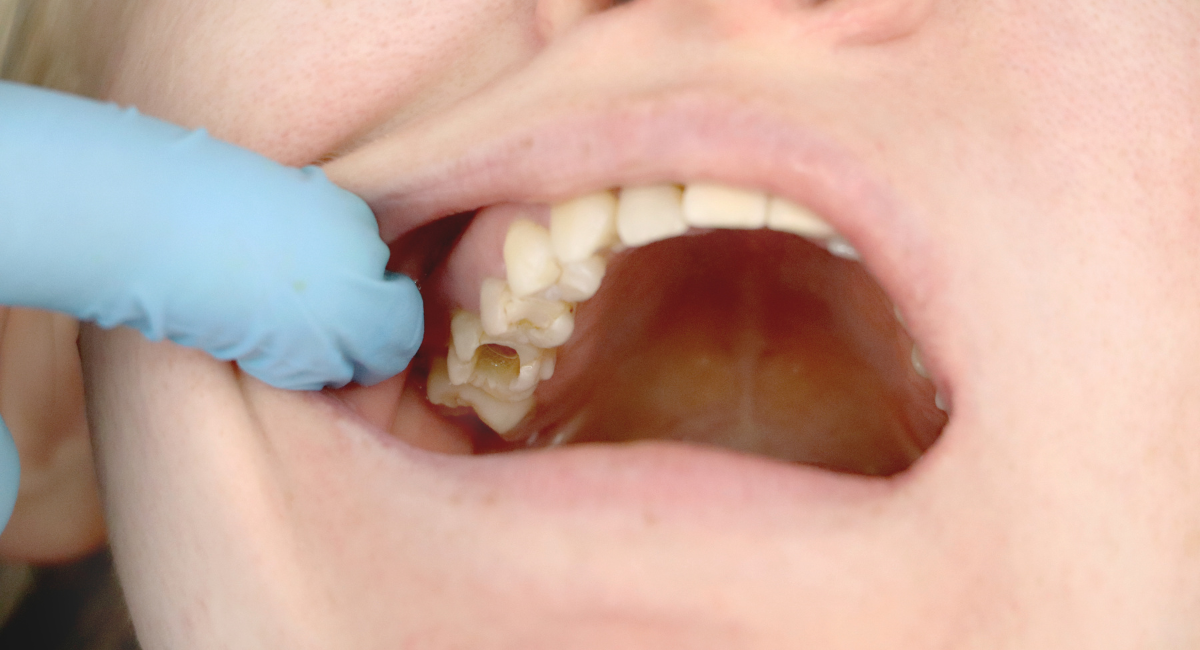
Tooth decay is one of the most common dental problems in children. When cavities become large, they can destroy a significant portion of the tooth structure. In these cases, a filling may not be strong enough to restore the tooth.
A dental crown in Peabody can cover the entire tooth and protect it from further decay. This also helps maintain the tooth’s ability to chew food properly and prevents infection from spreading deeper into the tooth.
Large Cavities After Fillings
Sometimes a tooth already has a large filling, but the remaining tooth structure is weak. Over time, the tooth may become more fragile and could crack or break.
A crown helps strengthen the tooth and restore its shape. This allows children to chew comfortably without worrying about damaging the tooth further.
Broken or Weak Teeth
Children are active, and accidents can happen during sports or play. A fall or sudden impact may chip or crack a tooth. When the damage is significant, placing a crown can protect the remaining tooth and restore its appearance and function.
Dentists often recommend crowns for damaged baby molars because these teeth handle strong chewing forces. Protecting them helps maintain proper spacing for the adult teeth that will grow later.
Preparing a Child for the Dental Crown Procedure
Before placing a crown, the dentist must first examine the child’s mouth and determine the best treatment approach.
Dental Examination and X-Rays
The dentist begins with a careful examination of the child’s teeth and gums to evaluate the damaged tooth and check for other dental concerns.
Dental X-rays are often taken to view the inner structure of the tooth. These images help the dentist see how deep the decay or damage extends and confirm that the roots and surrounding bone are healthy. Based on this information, the dentist can decide if a crown is the best treatment option for the child.
Talking With the Child Before Treatment
Children may feel nervous about dental procedures, especially when they do not know what to expect. Pediatric dentists explain treatments in simple and friendly ways to help children feel comfortable.
Dentists often describe a crown as a protective “helmet” for the tooth, helping children understand that the treatment makes their tooth strong again.
Parents can also support their child by speaking positively about the dental visit and reassuring them that the dentist will take good care of them.
Step-by-Step Process of Placing a Dental Crown
Placing a crown on a child’s tooth usually involves several simple steps. The procedure is carefully performed so the child remains comfortable throughout the visit.
Numbing the Tooth and Surrounding Area
The first step is numbing the tooth and the surrounding gum area. The dentist applies a local anesthetic to prevent pain during the procedure.
Once the area becomes numb, the child should not feel discomfort while the dentist works on the tooth. Some children may feel gentle pressure or vibration, which is normal.
Pediatric dentists often take extra time to help children relax so the treatment experience is positive.
Cleaning and Shaping the Tooth
After the tooth is numb, the dentist removes any decay or damaged portions of the tooth. Cleaning the tooth is important because it removes bacteria and prepares the surface for the crown.
Once the decay is removed, the dentist shapes the tooth slightly. This step creates enough space for the crown to fit properly over the tooth. Shaping the tooth allows the crown to sit securely and function like a natural tooth.
Selecting the Right Crown Size
Crowns used for children are available in several sizes. The dentist selects a crown that fits the tooth correctly. During the fitting process, a Pediatric dentist in Peabody may place the crown temporarily on the tooth to test how well it fits.
If needed, the dentist can adjust the crown so it feels comfortable and aligns properly with the child’s bite. Choosing the correct size helps ensure comfort and long-term durability.
Placing and Securing the Crown
Once the crown fits properly, dental cement is placed inside the crown. The crown is then positioned over the prepared tooth.
The dentist presses the crown gently into place so it covers the entire tooth. The dental cement quickly hardens and secures the crown firmly.
After the crown is placed, the dentist removes any extra cement and checks the child’s bite. This helps confirm that the crown feels natural and comfortable. The process of placing Dental Crowns is usually completed in one dental visit.
How Long the Procedure Usually Takes
Most crown procedures for children take between thirty and sixty minutes. The exact time depends on the condition of the tooth and the child’s comfort level during the visit.
Dentists who treat children often work at a pace that helps kids stay relaxed and comfortable. They may explain each step as they go so the child understands what is happening. Creating a calm and friendly environment helps children feel safe during treatment.
What Children Feel During the Procedure
Many children worry about pain during dental treatments, but crown placement is usually comfortable because the tooth is fully numb during the procedure. Children may feel gentle pressure or vibration from dental instruments, but they should not feel pain.
Pediatric dental offices often use distractions like cartoons or music to help children relax, and parents can reassure their child that the dentist is helping make their teeth strong again.
Caring for a Child’s Tooth After Crown Placement
After the crown is placed, the dentist will provide instructions to help the child recover comfortably and maintain good oral health.
Eating and Drinking After Treatment
Children should wait until the numbness from the anesthetic wears off before eating. This helps prevent accidental biting of the tongue, lips, or cheeks.
Soft foods are often recommended for the first few hours after treatment. Foods such as yogurt, pasta, and soup are gentle on the tooth. Sticky foods should be avoided because they may pull on the crown.
Brushing and Oral Hygiene
Good oral hygiene remains important after crown placement. Children should continue brushing their teeth twice each day with fluoride toothpaste.
Parents may need to help younger children brush properly, especially around the crown and gum area.
Regular dental checkups allow the dentist to monitor the crown and confirm that the tooth remains healthy.
Benefits of Dental Crowns for Children
Dental crowns offer several important benefits for children with damaged teeth. They help protect the tooth from further decay or breakage so it can stay in place until the permanent tooth grows in, supporting proper oral development.
Crowns also restore the tooth’s shape and strength, allowing children to chew comfortably and maintain a balanced bite. By covering damaged areas, they can also help reduce discomfort.
Another benefit is maintaining proper space for adult teeth. Keeping the baby tooth in place helps prevent nearby teeth from shifting and supports healthy alignment as permanent teeth develop.
When Parents Should Contact the Dentist After the Procedure
Although crowns are strong and reliable, parents should still monitor their child’s teeth after treatment. If a child has pain, swelling, or sensitivity that lasts several days, it is important to contact the dentist.
Parents should also call the dental office if the dental crown becomes loose or falls off. Regular dental visits help the dentist check the crown and make sure the tooth stays healthy.
Conclusion
Dental crowns help protect and restore damaged teeth in children. The procedure usually involves cleaning the tooth, shaping it, and placing a crown that covers and strengthens the tooth. This allows the child to chew and use the tooth normally until the baby tooth naturally falls out.
Knowing the steps involved can help parents feel more confident about the treatment. Pediatric dentists focus on making the visit calm and comfortable so children feel safe during the procedure.
The team at Growing Smile Pediatric Dentistry and Braces is dedicated to guiding families through the process and helping children maintain healthy, strong smiles.
Sources: