Children’s teeth are important for eating, speaking, and guiding permanent teeth into the right position. When a child’s tooth becomes badly damaged, weak, or severely decayed, dentists may recommend a dental crown to protect and restore it.
A crown acts like a small cap placed over the tooth, covering it completely and helping it regain its shape and strength.
This treatment is often used when a cavity is too large for a filling or when a tooth has been weakened by injury. Dental Crowns help protect baby teeth until permanent teeth are ready to grow.
Why Children Sometimes Need Dental Crowns
Children’s teeth are more vulnerable to decay than adult teeth because their enamel is thinner. Cavities can spread quickly and weaken the tooth.
In such cases, a dental crown in Peabody may be used to restore and protect the tooth, helping children chew comfortably and maintain proper space for permanent teeth.
Severe Tooth Decay
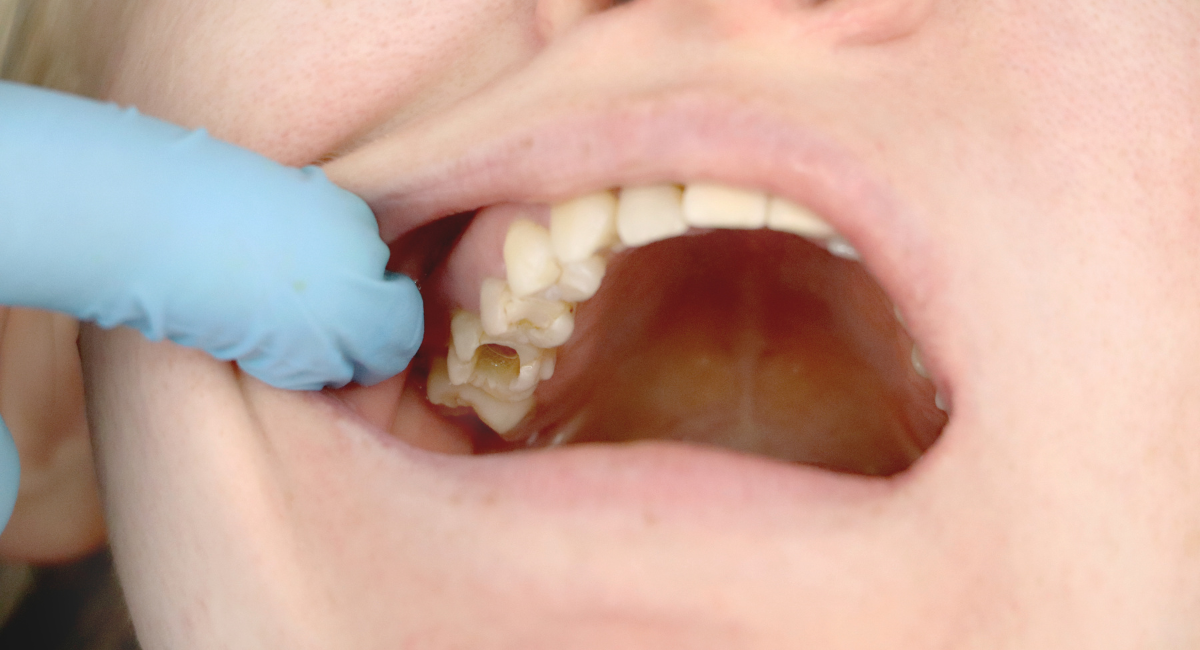
Tooth decay is one of the most common dental problems in children. Sugary snacks, drinks, and poor brushing habits allow bacteria to produce acids that damage the tooth enamel.
If a cavity becomes very large, a filling may not provide enough support for the remaining tooth structure. In these situations, dentists often recommend a crown to cover and protect the tooth from further decay. By covering the damaged area, the crown helps the tooth continue functioning normally.
Large Cavities After Fillings
Sometimes a child’s tooth has already received a filling but still becomes weak over time. Large fillings can reduce the natural strength of the tooth, especially if a large portion of the tooth has been removed due to decay.
When this happens, the dentist may recommend placing a crown over the tooth. This provides additional support and helps prevent the tooth from cracking or breaking during chewing.
Cracked or Broken Teeth
Children are very active and may experience accidents while playing, running, or participating in sports. A fall or impact can cause a tooth to chip, crack, or break.
If the damage affects a large portion of the tooth, a crown may be needed to restore its shape and function. The crown covers the damaged area and protects the remaining tooth structure.
After a Pulp Treatment
In some cases, tooth decay spreads deep into the inner part of the tooth. When this occurs, the dentist may perform a pulp treatment to remove infected tissue from inside the tooth.
After this procedure, the tooth can become weaker than before. Placing a crown over the tooth helps protect it and allows the child to continue using the tooth normally.
How Dental Crowns Help Protect Children’s Teeth
Crowns provide several important benefits for children with damaged teeth. They help restore strength and allow the tooth to function normally.
Restoring Strength
A crown covers the entire tooth, which helps restore its natural strength. This is especially important for teeth that have lost a large amount of structure due to decay or injury.
With the crown in place, the tooth becomes strong enough to handle everyday chewing forces again.
Protecting the Remaining Tooth Structure
When a tooth is severely damaged, the remaining part may be fragile. Without protection, the tooth could continue to break down over time.
A crown acts as a shield that protects the remaining tooth from further damage, bacteria, and pressure from chewing.
Supporting Proper Chewing
Healthy teeth are essential for proper chewing. When a tooth becomes weak or painful, children may avoid using that side of their mouth.
A crown restores the shape of the tooth, allowing children to chew food comfortably and maintain a balanced bite.
What Types of Dental Crowns Are Used for Kids’ Teeth?
Pediatric dentists use several types of crowns depending on the tooth’s location and the child’s needs. Some crowns focus on durability, while others provide a more natural appearance.
Stainless Steel Crowns
Stainless steel crowns are commonly used for children’s teeth. They are made from durable metal and fit securely over the tooth.
These crowns are usually placed on baby molars because they handle strong chewing pressure and protect the tooth until it naturally falls out. Dentists can often place them in a single visit, making the process easier for children.
Zirconia Crowns
Zirconia crowns are tooth-colored crowns made from strong ceramic material. They are designed to look similar to natural teeth, which makes them a popular option for front teeth. These crowns blend well with surrounding teeth and help maintain a natural-looking smile.
Composite Strip Crowns
Composite strip crowns are often used to restore damaged front teeth. They are made using tooth-colored resin that is shaped directly on the tooth and hardened with a special light. This method creates a crown that matches the child’s natural tooth color and improves both appearance and function.
Open-Faced Stainless Steel Crowns
Open-faced crowns combine the strength of stainless steel with the look of tooth-colored material. Most of the crown is metal, while the front portion is covered with a tooth-colored filling. This design provides durability while giving the tooth a more natural appearance.
Why Stainless Steel Crowns Are Often Used for Back Teeth
Back teeth play a major role in chewing food. Because they handle heavy pressure, dentists often choose stronger crown materials for these teeth.
Durability for Chewing
Molars grind food every day and must handle strong chewing forces. A Pediatric dentist in Peabody may recommend stainless steel crowns because they are strong and durable. These crowns help protect baby molars and allow them to function normally until permanent teeth are ready to erupt.
Long-Term Protection
These crowns provide long-term coverage for damaged teeth. Once placed, they seal the tooth and help prevent new cavities from forming around the treated area.
For many children, stainless steel crowns remain in place for several years until the baby tooth naturally falls out.
Why Tooth-Colored Crowns Are Popular for Front Teeth
Front teeth are more visible when children smile, talk, or laugh. Because of this, many parents prefer crowns that look similar to natural teeth.
Appearance and Confidence
Children may feel more confident when their dental treatment blends with their natural smile. Tooth-colored crowns help maintain a natural appearance and reduce the visibility of dental work. This can help children feel comfortable when interacting with friends and classmates.
Natural Smile Appearance
Tooth-colored crowns are designed to match the shade and shape of natural teeth. This allows them to blend with surrounding teeth and maintain a balanced smile.
Dentists often recommend these crowns for front teeth where appearance is more noticeable.
What Happens During a Child’s Crown Procedure
Parents often want to understand what will happen during their child’s dental visit. The crown procedure typically involves several steps.
Examination and X-rays
The dentist first examines the child’s tooth to determine the level of damage. X-rays may be taken to see the inside of the tooth and surrounding structures. These images help the dentist decide the best treatment approach.
Preparing the Tooth
Once treatment is planned, the dentist removes decay or damaged parts of the tooth. The tooth is then gently shaped so the crown can fit securely. This preparation allows the crown to sit comfortably over the tooth.
Placing the Crown
After the tooth is prepared, the dentist selects the correct crown size and places it over the tooth. Adjustments are made to make sure the crown fits properly.
The dentist also checks the child’s bite to confirm the crown feels comfortable when chewing.
Families in Peabody often appreciate how quickly this procedure can restore their child’s damaged tooth.
How Long Crowns Last on Children’s Teeth
Crowns placed on baby teeth are meant to last until the tooth naturally falls out and is replaced by a permanent tooth.
Daily Care
Good oral hygiene plays an important role in keeping crowns in good condition. Children should brush their teeth twice a day and floss daily. These habits help prevent decay from forming around the crown and nearby teeth.
Regular Dental Visits
Routine dental checkups allow dentists to monitor the crown and the surrounding teeth. During these visits, the dentist can confirm that the dental crown remains stable and that the child’s oral health is progressing well. Regular checkups also help detect early signs of cavities or other dental concerns.
Conclusion
Dental crowns help protect and strengthen damaged or weakened teeth in children. They restore the tooth’s function, support normal chewing, and help prevent further damage until permanent teeth grow in.
Dentists may use different types of crowns in pediatric dentistry, such as stainless steel, zirconia, composite strip, or open-faced crowns. The choice depends on the tooth’s location and the child’s dental needs.
If your child may need a dental crown, the team at Growing Smile Pediatric Dentistry and Braces can provide gentle care and guidance to support your child’s healthy smile.
Sources: