When kids find out they need orthodontic treatment, the first question is almost always, “How long will this take?” It’s a simple question, but it matters a lot. Children want to know how long their smiles will look different. Parents want to understand the timeline so they can plan ahead. Knowing what to expect helps everyone feel calmer and more prepared.
The truth is that there is no one-size-fits-all answer. Every child’s teeth grow and move in their own way. Some children need a shorter treatment period, while others need more time to correct bite problems or crowding.
The good news is that most kids finish treatment within a predictable range, and with the right care, the process can move smoothly. Let’s take a closer look at how long kids usually wear braces and what factors can affect that timeline.
What Is the Average Time Kids Wear Braces?
Typical Treatment Timeline
On average, most kids wear braces for about 18 to 24 months. That means roughly one and a half to two years. Some children with mild spacing issues may finish in closer to 12 months.
Others with more complex bite concerns may need up to three years. A skilled dentist in Peabody MA can help determine the right treatment timeline based on your child’s specific dental needs.
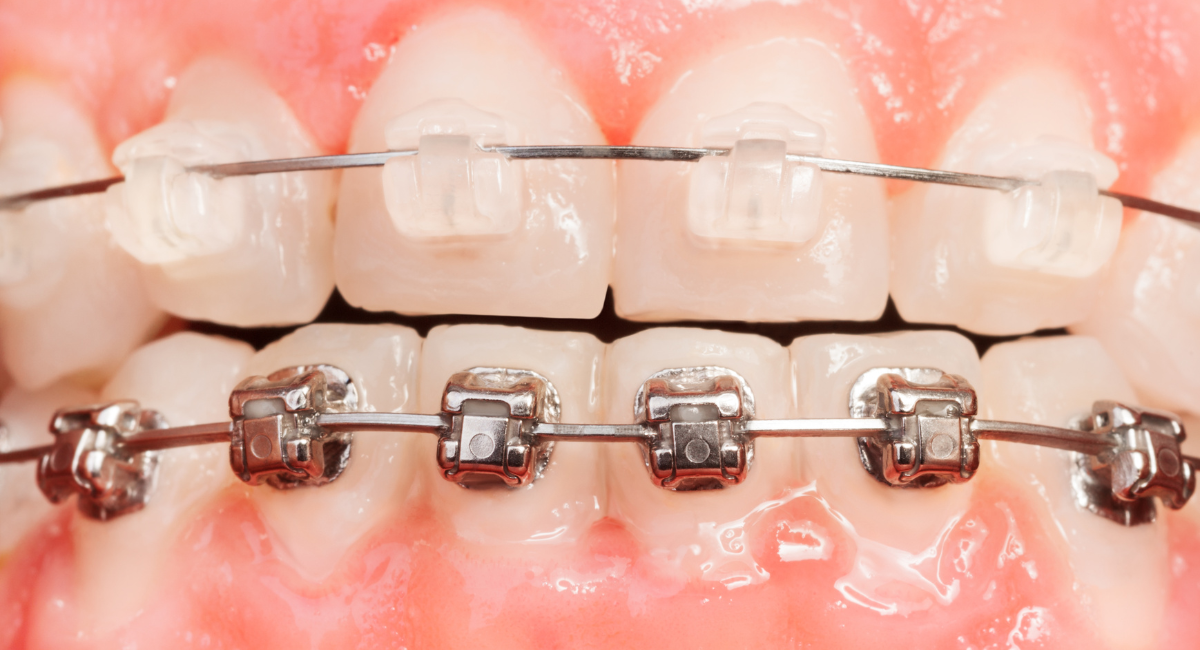
Teeth move slowly and safely through steady pressure. The wires and brackets gently guide teeth into better positions over time. The bone around the teeth also changes as the teeth move. This process cannot be rushed too quickly because moving teeth too fast can cause damage.
In many cases, simple crowding or small gaps are corrected faster. More serious alignment issues take longer because they require careful adjustments over time.
Why Every Child Is Different
Every smile is different. One child might have just a small gap between their front teeth. Another child might have crowded teeth, an overbite, or an underbite. These differences affect how long treatment lasts.
For example, a child with mild crooked teeth may complete treatment in 14 to 16 months. A child with a significant overbite and rotated teeth may need 24 months or more. Growth patterns also play a role. Younger children who are still growing sometimes respond faster because their jaws are still developing.
Families in Peabody often ask if their child’s timeline will match a friend’s or sibling’s. The answer is usually no. Even within the same family, treatment length can vary because each child’s teeth and jaw growth are different.
What Affects How Long Braces Stay On?
Age and Growth
Orthodontists often recommend an evaluation around age seven. This does not mean treatment starts immediately. In many cases, the dentist simply monitors growth and waits for the right time.
If treatment begins during an active growth phase, it may help guide the jaw into a better position. This can sometimes reduce overall treatment time later. When the jaw is still growing, it is easier to correct certain bite problems.
Teenagers can also respond well to treatment. However, adults often take longer because their bones are fully developed and less flexible.
Type of Dental Problem
The type and severity of the dental problem strongly affect how long treatment lasts. Mild spacing or slight crowding usually requires less time. Severe crowding, impacted teeth, or major bite problems often extend the timeline.
For example, if a child’s upper teeth stick out too far over the lower teeth, correcting that overbite can take extra months. If teeth are severely rotated, they need gradual repositioning.
Orthodontists plan carefully so the teeth move safely and steadily. Rushing the process can lead to unstable results.
Following Instructions
One of the most important factors in treatment length is cooperation. Children who follow instructions closely often finish on schedule or even early. During treatment with braces in Peabody, following your orthodontist’s guidance is key to staying on track.
If rubber bands are part of the treatment plan, they must be worn as directed. Skipping days or forgetting to wear them slows progress. Breaking brackets by eating hard candy or sticky foods can also add weeks or months.
Good daily habits make a real difference. When kids stay consistent, treatment usually moves more smoothly.
The Different Phases of Orthodontic Treatment
Early Evaluation
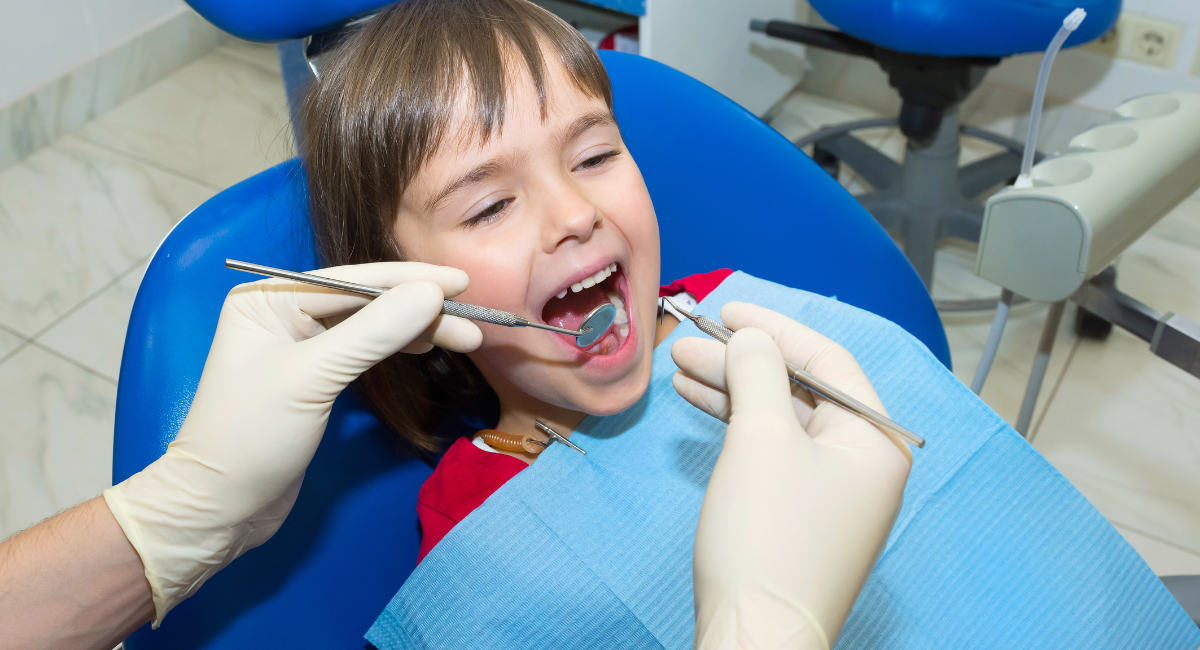
The process begins with a detailed exam. This may include X-rays, photographs, and digital scans. The orthodontist studies how the teeth and jaws are developing and decides the best time to begin treatment.
Some children need early treatment to guide jaw growth. Others wait until most permanent teeth have come in. Early evaluation helps prevent bigger problems later.
Active Treatment Phase
This is the stage when braces are placed on the teeth. During active treatment, children usually visit the orthodontist every four to eight weeks. At each visit, adjustments are made to keep the teeth moving in the right direction.
This phase is when most of the changes happen. Teeth slowly shift into better alignment, and bite issues begin to improve. Regular appointments are important to keep progress steady.
At Growing Smile Pediatric Dentistry and Braces, we take time to explain each step clearly. When kids understand what is happening, they often feel more confident and cooperative during treatment.
Retainers After Braces
When the braces come off, treatment is not completely finished. Teeth have a natural tendency to shift back. Retainers help hold them in their new positions.
Most children wear retainers full-time at first and then switch to wearing them only at night. Wearing retainers as directed is very important.
Skipping them can undo months of hard work. This final phase helps protect the results and keeps the smile looking great for years.
Signs That Treatment Is Almost Done
Teeth Are Properly Aligned
As treatment nears completion, the teeth look straighter and more evenly spaced. Gaps close, and crowded areas become smoother. The smile begins to look balanced.
Orthodontists check how the upper and lower teeth fit together. When alignment looks correct and stable, removal of the braces may be scheduled soon.
Parents and children often notice the change before the final appointment. Seeing progress can be very motivating.
Bite Feels Comfortable
A proper bite allows a child to chew and speak comfortably. If the teeth meet correctly and there is no strain when biting down, it is a positive sign.
Before removing braces, the orthodontist may make small final adjustments. These fine-tuning steps help create a strong and stable result.
Many families in Peabody feel excited at this stage because they can see the finish line approaching.
How Parents Can Help Speed Up Progress
Good Oral Hygiene
Brushing and flossing are extremely important during treatment. Food can get trapped around brackets and wires. If plaque builds up, it can cause cavities or gum problems.
If dental issues develop, they may need to be treated before orthodontic progress continues. This can delay the overall timeline.
Brushing after meals and flossing daily help prevent these problems. Keeping the teeth clean also helps avoid white spots on the enamel once braces are removed.
Regular Appointments
Staying on schedule with appointments keeps treatment moving forward. Each visit allows the orthodontist to adjust wires and monitor progress.
Missing appointments can slow everything down. Even a small delay can affect how quickly teeth shift into place.
Parents who help their children stay organized and on time play a big role in finishing treatment as planned.
Supporting Details and Real-Life Perspective
Research shows that most orthodontic treatments fall within the 18 to 24 month range. While that may sound long at first, time often passes quickly. Many children say the first few weeks feel strange, but after that, wearing braces becomes part of their normal routine.
For example, a 13-year-old patient with moderate crowding followed instructions carefully and completed treatment in just under 20 months. Another patient with a more complex bite issue required 26 months because extra adjustments were needed.
These examples show that patience and consistency matter. The goal is a healthy bite and straight smile that lasts.
Conclusion
Most children wear braces for about 18 to 24 months, although the exact timeline depends on their age, dental needs, and daily habits.
Mild cases may finish sooner, while more complex bite problems can take longer. Regular visits, strong oral hygiene, and following instructions closely all help keep treatment on track.
If you are wondering what the timeline might look like for your child, a consultation can provide clear answers and a personalized plan.
At Growing Smile Pediatric Dentistry and Braces, we are here to guide families every step of the way and help children feel confident throughout their smile journey.
Sources:
- https://www.fda.gov/consumers/consumer-updates/braces-have-changed-metal-tooth-colored-clear
- https://pmc.ncbi.nlm.nih.gov/articles/PMC11449468/
- https://pmc.ncbi.nlm.nih.gov/articles/PMC6340199/
- https://www.nationwidechildrens.org/conditions/health-library/orthodontics-braces-for-children